Exporting to 50+ Countries

U-PVC Solvent Cement Socketed Pipe
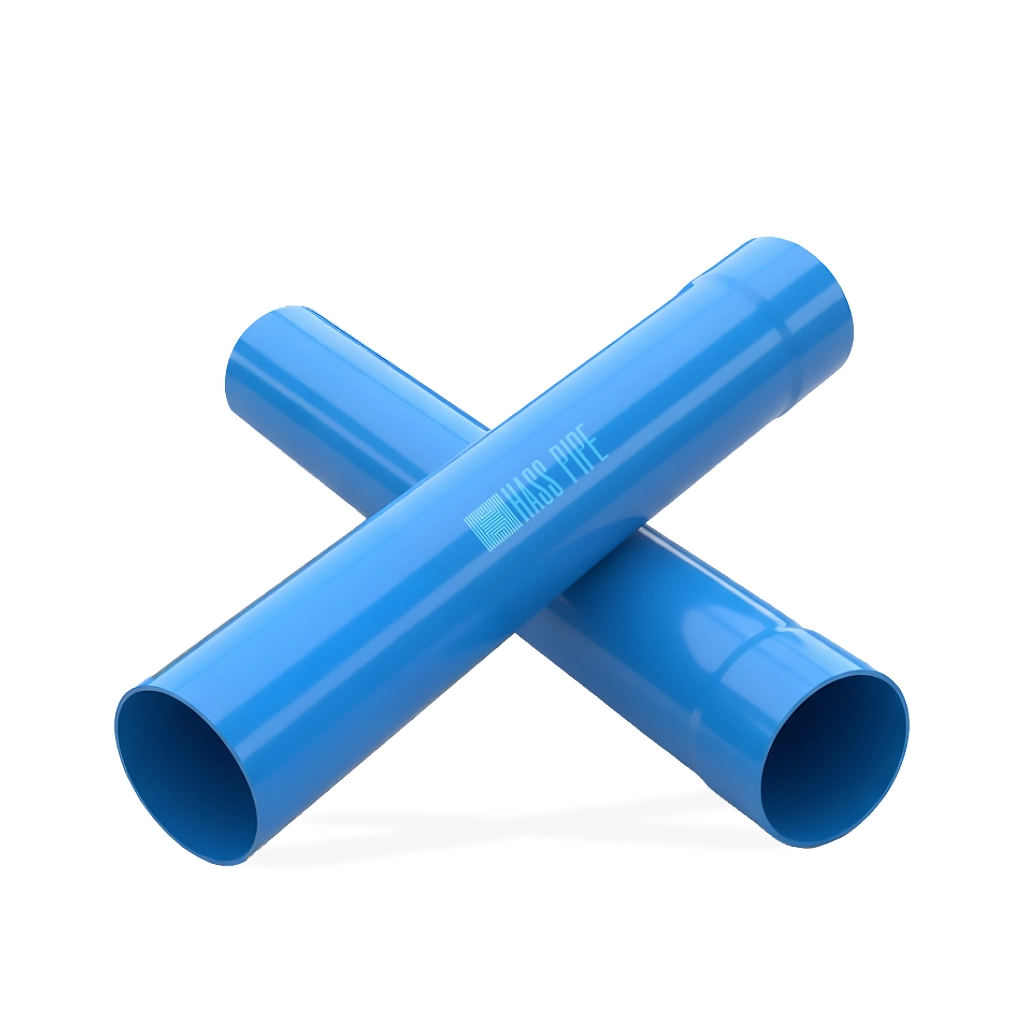
Types of U-PVC Piping Systems
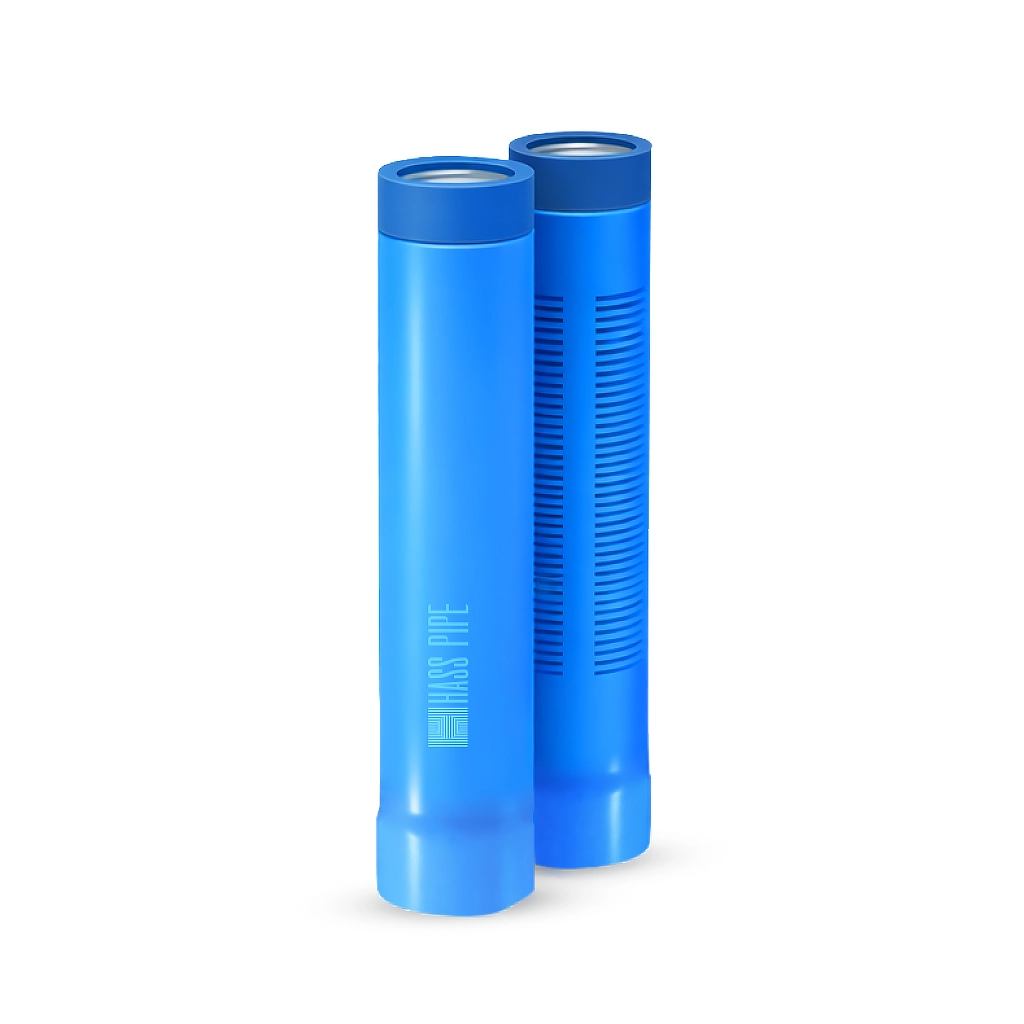
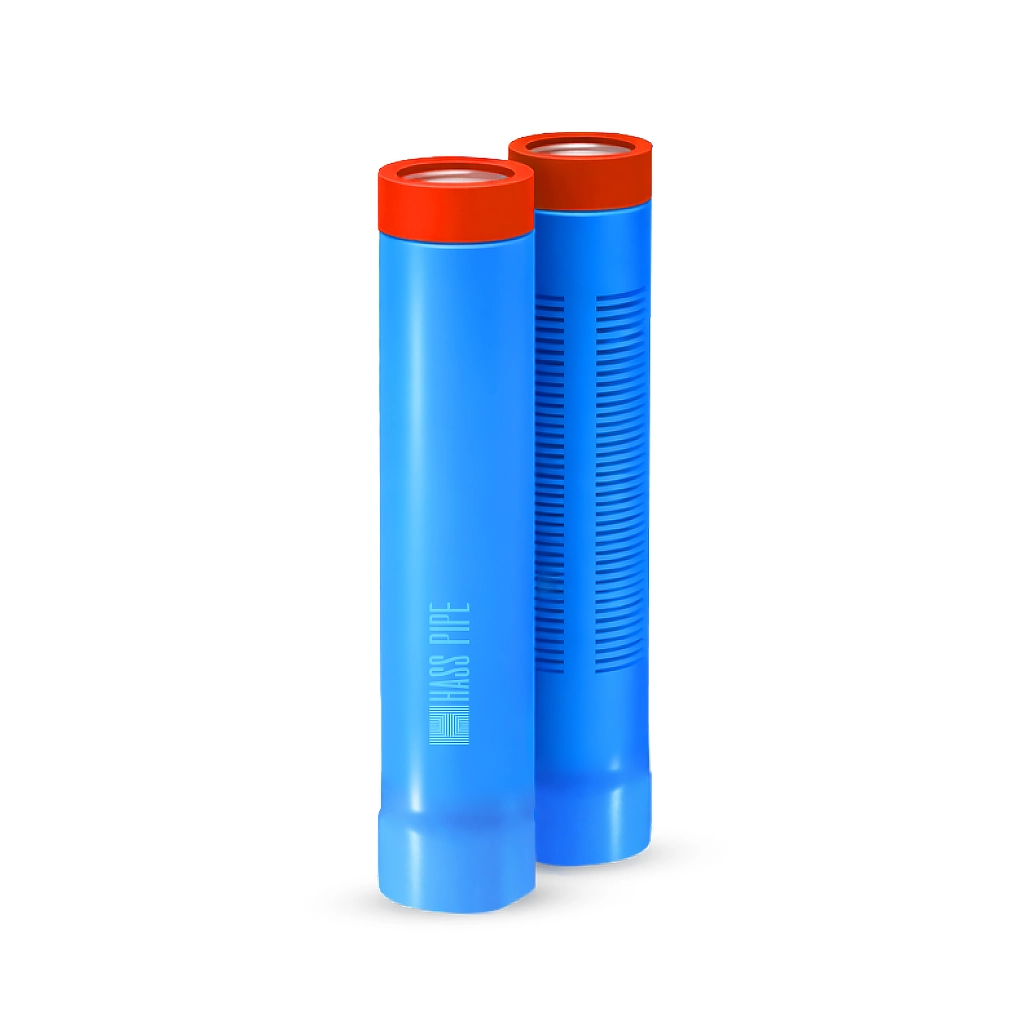
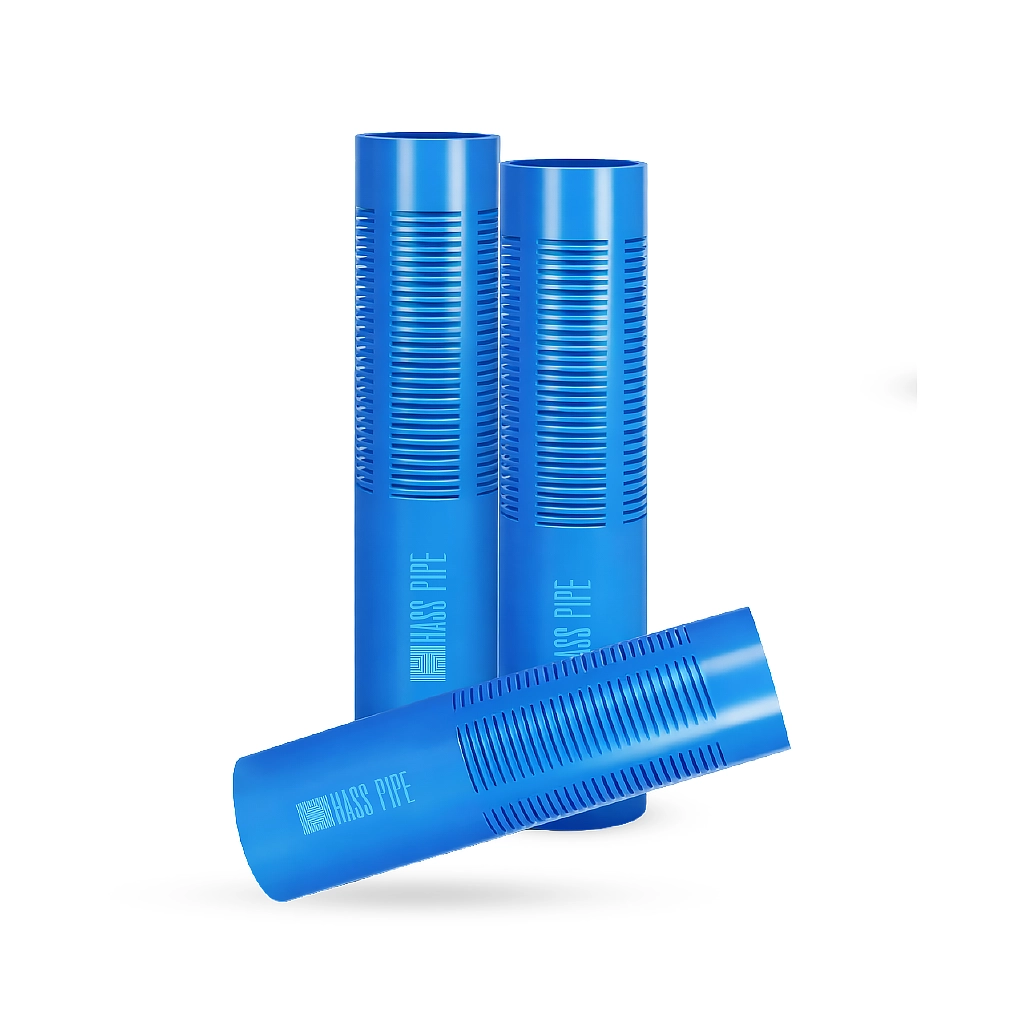
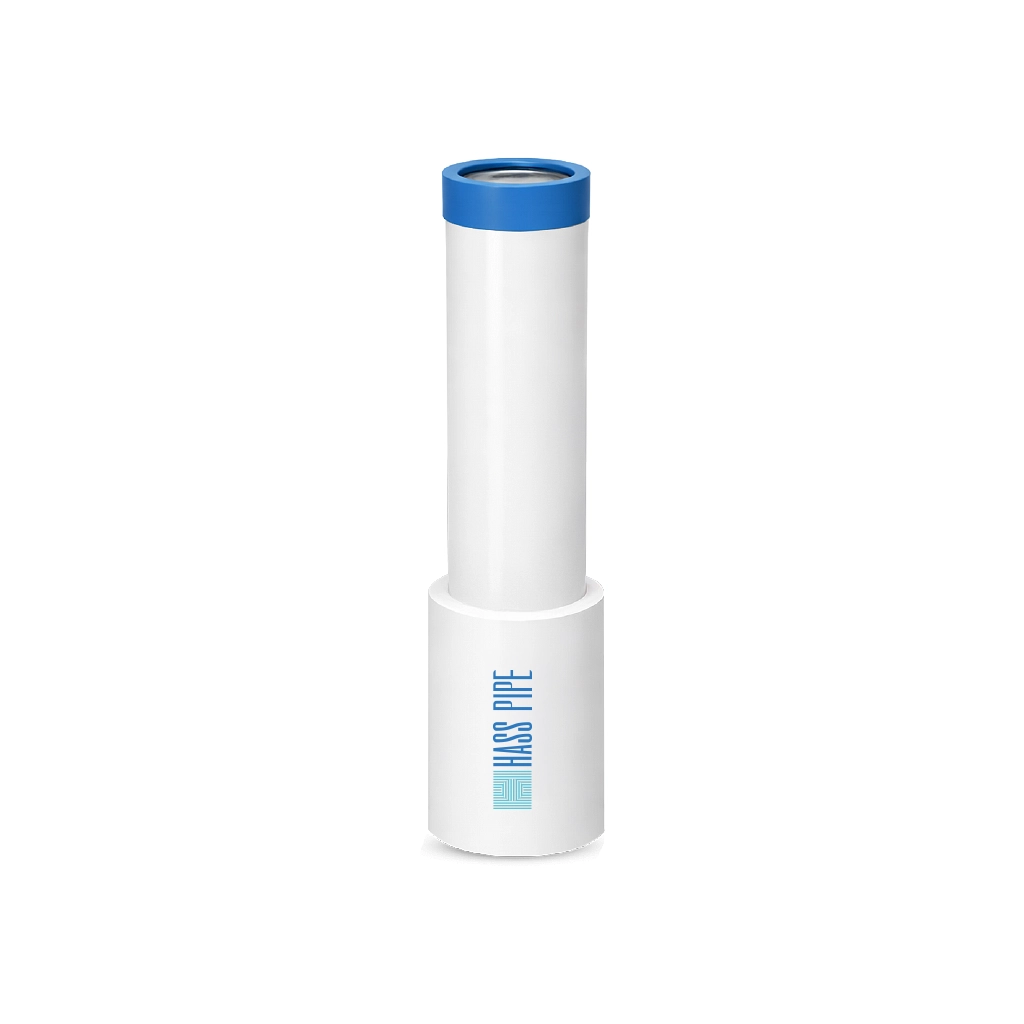
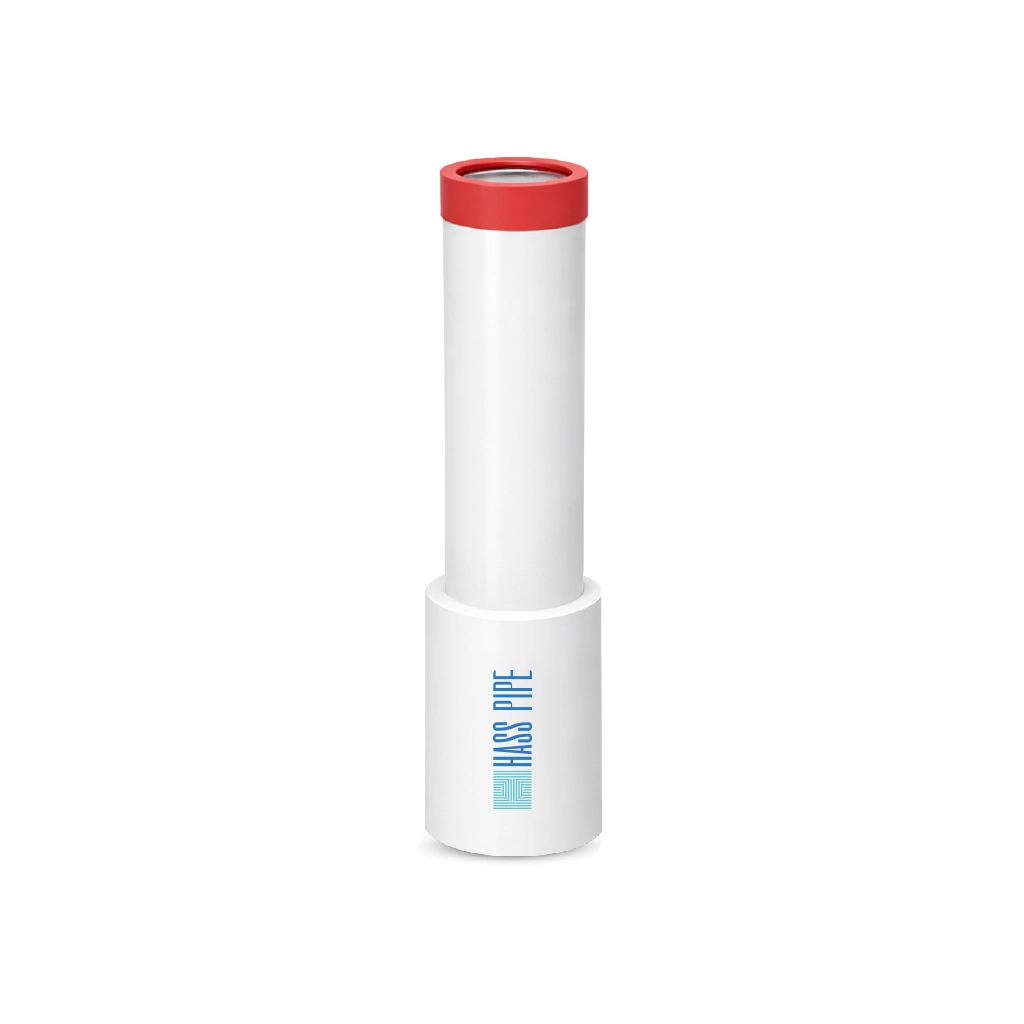
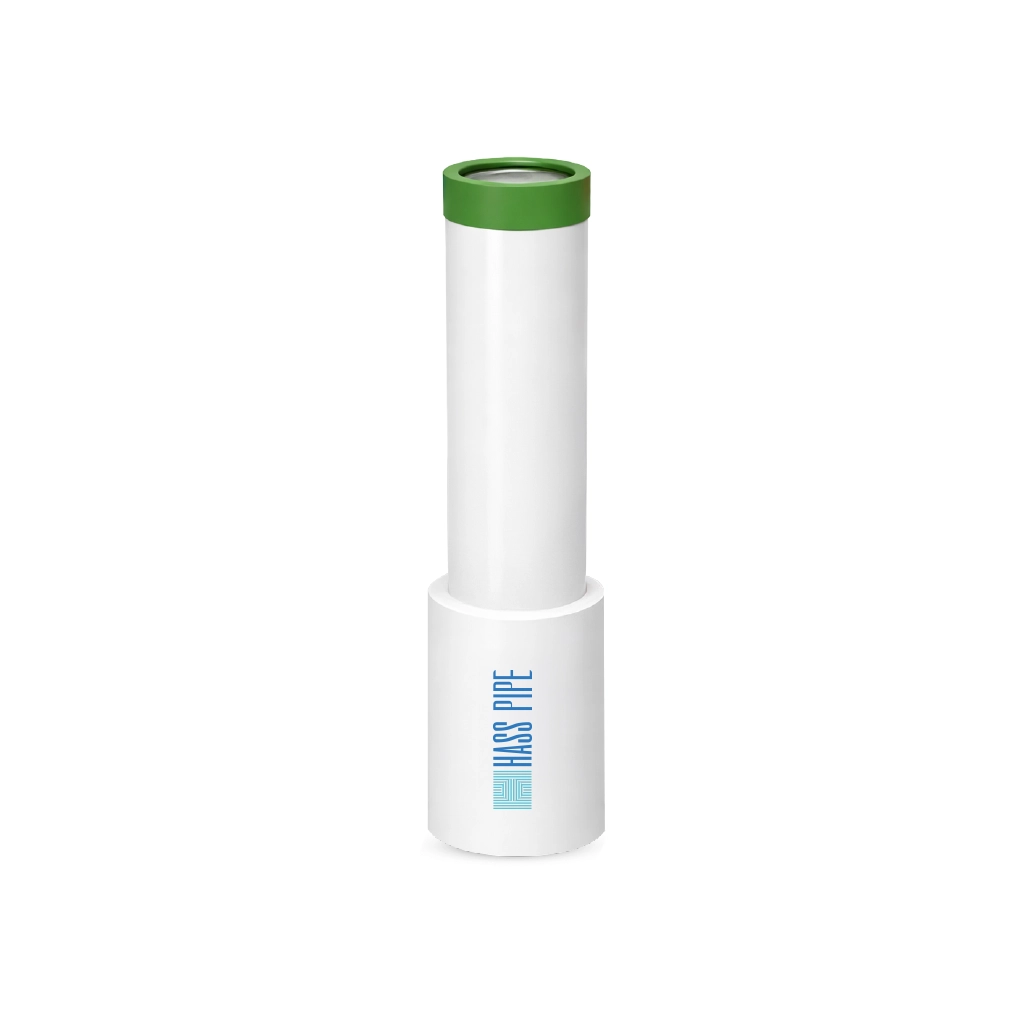
Socketed PIPE

Types of U-PVC Piping Systems

Its lightweight structure allows easy handling and fast installation on drilling sites. The smooth inner surface facilitates equipment installation inside the well and provides long-term, reliable performance. It is widely used in water well drilling, well casing systems, and underground infrastructure applications.

Key Features

U-PVC solvent cement socketed pipes
PVC socketed casing pipe
Solvent weld borehole pipes
Non-threaded PVC well pipes
Bell end PVC casing pipes

Applications

Water Well Casing Drilling Casing Pipe Groundwater Wells Corrosion Resistant Wells Underground Well Systems PVC Well Casing
Technical Data

Complete Specifications

The pipe dimensions suitable for U-PVC solvent cement socketed casing pipe applications are listed in the table below.

Pipe Diameter Thickness
mm inch mm
Ø125 4 1/2" 2,5
Ø140 5" 2,8
Ø160 6" 3,2
Ø200 7" 3,8
Ø225 8" 4,2
Ø250 9" 4,8
Ø280 10" 5,3
FAQ

Frequently Asked Questions

Find answers to common questions about our products and services

Curing times depend on the pipe diameter and ambient temperature. Generally, the initial "set" takes about 10–20 minutes, allowing for careful handling. However, for the joint to reach full pressure rating and maximum bond strength, a cure time of 24 hours is recommended before pressurizing the system or lowering it into a well.

No. U-PVC (Unplasticized Polyvinyl Chloride) is a thermoplastic designed strictly for cold water applications (groundwater, irrigation, drinking water). The material begins to soften at temperatures above 60°C (140°F). For hot water transfer, materials like CPVC or PPR are required.

The pressure rating is determined by the pipe's wall thickness (SDR class) and diameter. Hass Pipe solvent socketed pipes typically range from PN6 (6 Bar) to PN16 (16 Bar). However, the integrity of the pressure rating relies entirely on a correctly executed solvent weld during installation.

Since solvent welding creates a permanent fusion (cold weld) between the pipe and fitting, a leaking joint cannot simply be tightened or resealed. The standard engineering solution is to cut out the defective section and install a new coupling or a slip repair coupling to restore the line's integrity.

Yes, for professional industrial applications, using a primer is highly recommended. The primer cleans the pipe surface and slightly softens (etches) the PVC, allowing the solvent cement to penetrate deeper and create a stronger chemical fusion between the pipe and the socket.

Absolutely. U-PVC pipes are the industry standard for underground infrastructure. They are immune to soil corrosion, electrolytic reaction, and root penetration when properly jointed. Their structural rigidity allows them to withstand external soil loads without collapsing.

When installed correctly and used within their pressure and temperature limits, Hass Pipe U-PVC systems have a proven service life of over 50 years. The solvent-welded joints become the strongest part of the system, effectively turning the pipeline into one continuous unit.

Yes. Hass Pipe manufactures U-PVC pipes using non-toxic, lead-free formulations that comply with international hygiene standards. They do not impart any taste, odor, or chemicals to the water, making them perfectly safe for potable water supply and food industry applications.

A properly cured solvent cement joint cannot be disconnected. The process chemically fuses the two plastic surfaces together, making them permanent. To alter the system, the pipe must be cut, and new fittings must be installed.

U-PVC pipes perform optimally in temperatures ranging from 0°C to 60°C (32°F to 140°F). Prolonged exposure to temperatures exceeding 60°C can reduce the pipe's tensile strength and pressure rating, potentially leading to deformation.